Steam Cleaning vs. Chemical Shampoos: Which Carpet Cleaning Method Is Best?
Maintaining clean floors requires more than removing visible dirt. It involves protecting indoor air quality, preserving fiber integrity, and keeping your living spaces safe for family members and pets. Homeowners evaluating professional floor care face a choice between two main methods: hot water extraction (steam cleaning) and traditional chemical shampooing.
While both methods remove surface soil, they differ significantly in environmental safety, drying times, residue retention, and long-term health impact. Using eco-friendly non toxic carpet cleaners during deep maintenance removes stubborn stains and allergens without leaving hazardous chemical residues behind.
Method Comparison: Steam Extraction vs. Chemical Shampoos
The table below summarizes the key operational differences between hot water extraction using non toxic carpet cleaners and conventional chemical shampoo methods.
| Cleaning Criteria | Hot Water Extraction (Steam Cleaning) | Traditional Chemical Shampooing |
| Primary Cleaning Agent | Superheated water & bio-based plant solutions | Synthetic detergents & brighteners |
| Drying Time | 4 to 8 hours | 12 to 24+ hours |
| Residue Remaining | Zero sticky residue when rinsed properly | Heavy soapy film that attracts soil |
| Deep Dirt Removal | High (penetrates deep into backing fibers) | Moderate (primarily surface-level) |
| Indoor Air Quality Impact | Improves air quality; removes allergens | Can off-gas volatile organic compounds (VOCs) |
| Safety for Children & Pets | 100% safe immediately after drying | Potential irritant due to chemical residue |
What Is Carpet Shampooing?
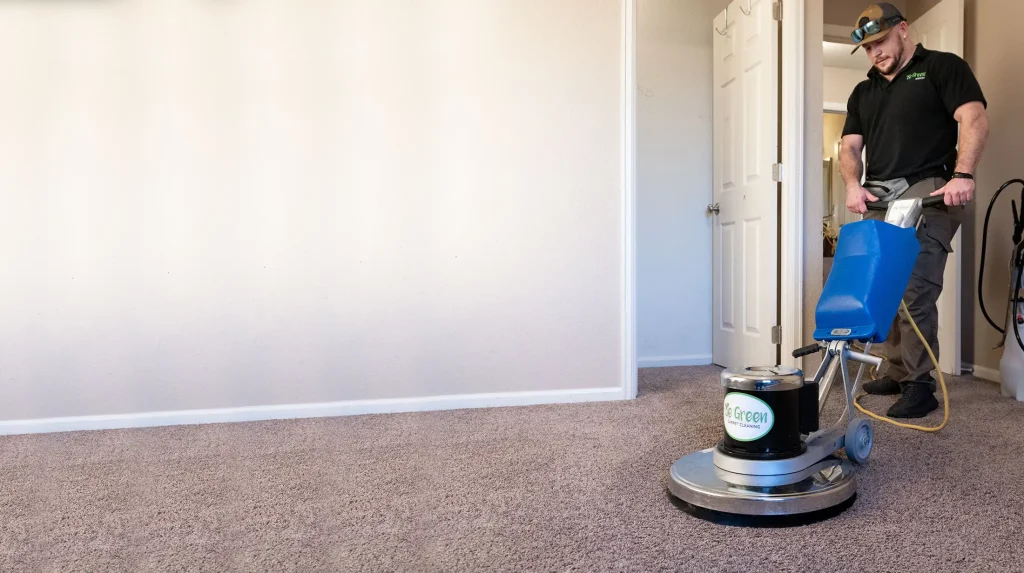
Traditional carpet shampooing was the standard method for deep cleaning residential carpets for decades. During this process, a rotary floor machine distributes a heavy, foamy detergent directly into the carpet pile. The rotating brushes agitate the fibers to loosen embedded dirt and lift surface stains.
However, chemical shampooing presents several distinct disadvantages for modern homeowners seeking healthy indoor environments.
Heavy Soap Residues and Rapid Resoiling
Carpet shampoos rely on synthetic surfactants designed to create thick suds. Because these machines do not flush the carpet with water, much of the soap remains trapped in the backing fibers. As the carpet dries, this soapy residue creates a sticky film on the yarn. Consequently, every step tracks fresh dirt onto the carpet, where it sticks to the leftover soap film and causes rapid resoiling.
Chemical Off-Gassing and VOC Exposures
Conventional shampoos frequently contain synthetic fragrances, artificial brighteners, and harsh solvents like glycol ethers. According to the U.S. Environmental Protection Agency (EPA) Indoor Air Quality Guidelines, indoor air pollutants can concentrate at levels up to two to five times higher than outdoor levels. Chemical shampoos contribute to these indoor pollutants by releasing volatile organic compounds (VOCs) into sealed rooms during and after the cleaning process.
How Hot Water Extraction (Steam Cleaning) Works
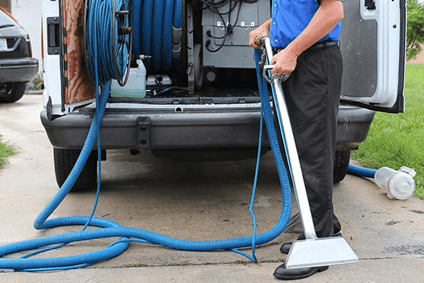
Hot water extraction commonly called steam cleaning takes a different technical approach to deep cleaning. Rather than smothering fibers in thick foam, professional technicians inject superheated water mixed with natural non toxic carpet cleaners deep into the carpet pile under controlled pressure.
High-Heat Sanitization
The high temperatures involved in steam extraction break down tough grease, oils, and embedded soils naturally. The heat sanitizes the carpet pile without requiring harsh synthetic chemicals. Furthermore, hot water neutralizes dust mites, bacteria, and fungal spores trapped deep near the primary backing.
Powerful Vacuum Extraction
Immediately after injecting the heated solution, the truck-mounted or portable system applies high-powered vacuum suction to pull the water, dissolved dirt, and dissolved contaminants out of the carpet. This step extracts up to 95% of the moisture along with all suspended particulates, ensuring exceptionally fast dry times and leaving no sticky residues behind.

Why Switching to Non-Toxic Carpet Cleaners Matters
Choosing plant-based, eco-friendly formulas over harsh industrial chemicals yields significant benefits for home health, fiber longevity, and overall environmental safety.
Protecting Children and Household Pets
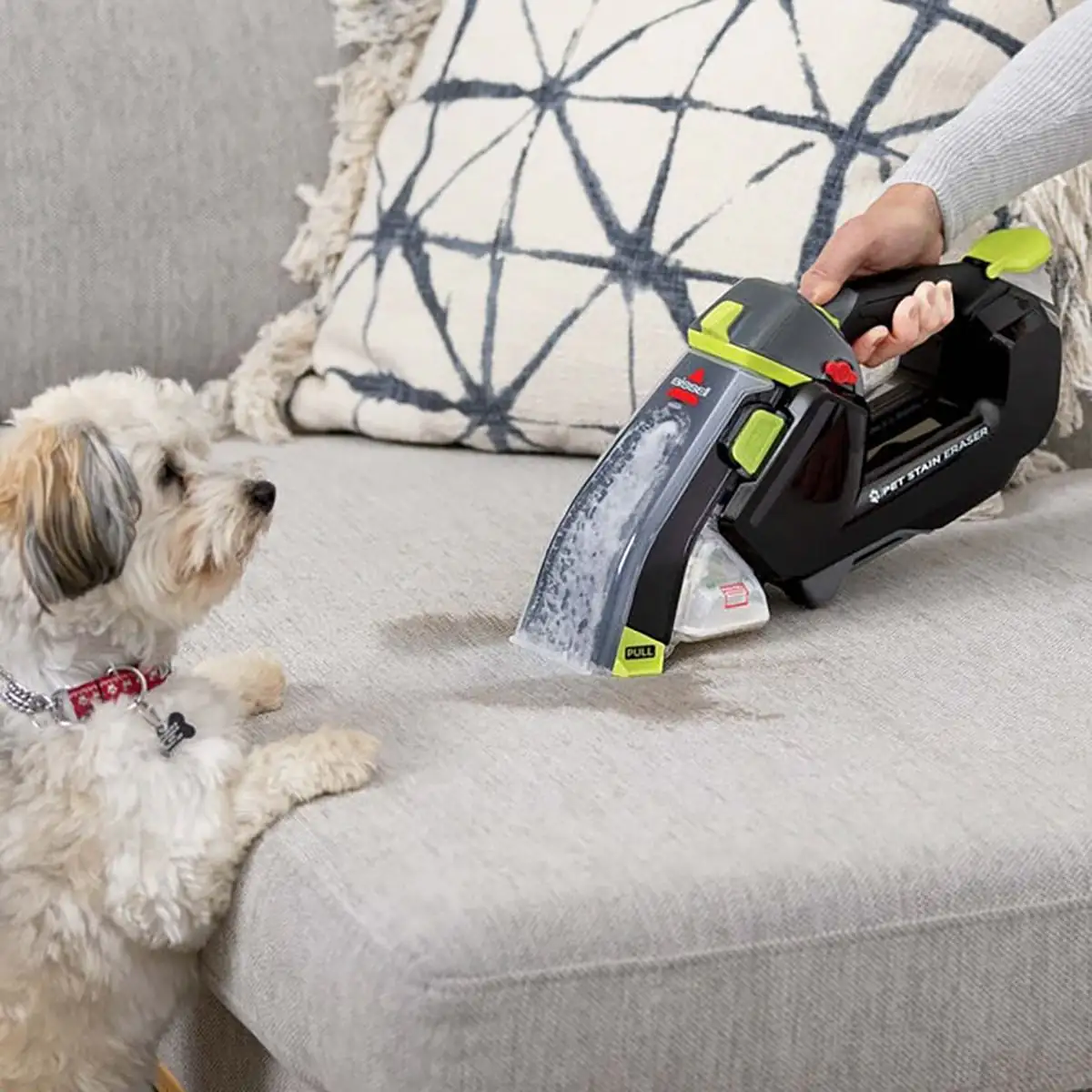
Young children and domestic pets spend considerable time directly on floor surfaces. Because pets lick their paws and toddlers place their hands in their mouths, residual chemicals left in carpet fibers can enter their systems. Plant-derived non toxic carpet cleaners eliminate exposure to toxic residues, synthetic dyes, and heavy artificial fragrances.
Extending Carpet Life and Preserving Warranties
Harsh alkaline chemicals damage delicate carpet fibers over time, stripping away factory-applied stain shields and causing colors to fade prematurely. Major carpet manufacturers often mandate hot water extraction using approved, neutral-pH products to keep warranties valid. Safe non toxic carpet cleaners preserve the integrity of synthetic nylon, polyester, and natural wool fibers.
Improving Indoor Environmental Health
Enzyme-based and mineral-derived cleaners break down organic messes such as pet accidents, food spills, and tracked-in mud at a molecular level. Instead of masking bad smells with synthetic perfumes, these non-toxic formulas neutralize odor-causing bacteria entirely, leaving your home naturally fresh.