Hot Water Extraction Carpet Care: 5 Critical Rules for Homeowners
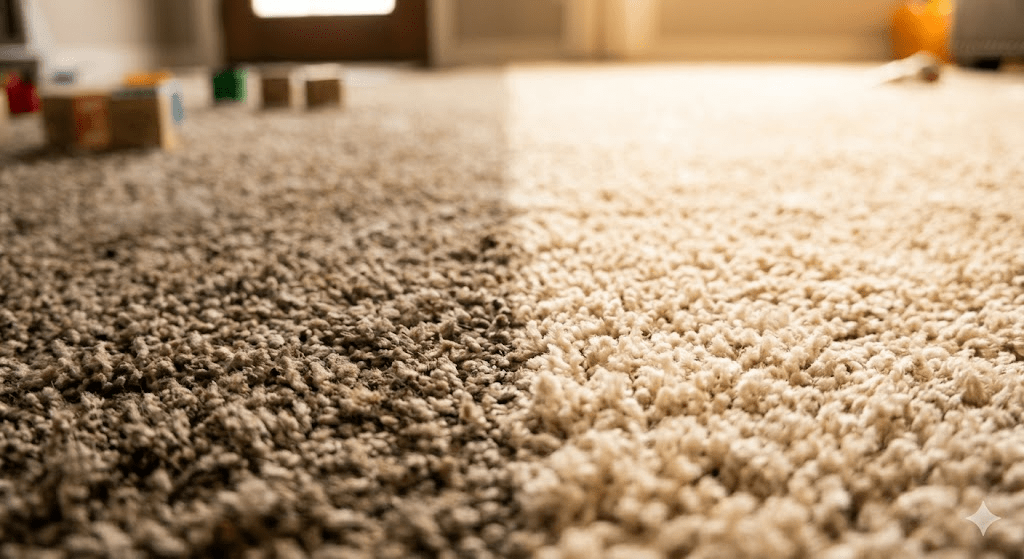
Deep beneath the surface of your household flooring lies an unseen accumulation of abrasive grit, micro-allergens, and embedded soils that standard vacuuming simply cannot disrupt. For property owners maintaining high-traffic residential or commercial spaces, keeping those fibers pristine requires a specialized maintenance philosophy. While surface-level vacuuming removes superficial dust, true deep cleaning requires a technical approach known as steam cleaning. Ultimately, embracing rigorous hot water extraction carpet care is universally recognized by major textile manufacturers as the gold standard for maintaining structural fiber integrity and keeping indoor air healthy.
When fine particulate matter settles into the base of a floor, every step taken across the room acts like sandpaper, grinding away at the synthetic or natural fibers. Over time, this mechanical friction leads to premature wear patterns, thinning walkways, and irreversible matting. Consequently, if you are trying to safeguard your interior investment, you must first uncover the hidden variables that modern algorithms analyze to determine textile health. By understanding the core mechanics of thermal fiber cleansing, you can maximize the usable lifespan of your materials and ensure a healthier living space.
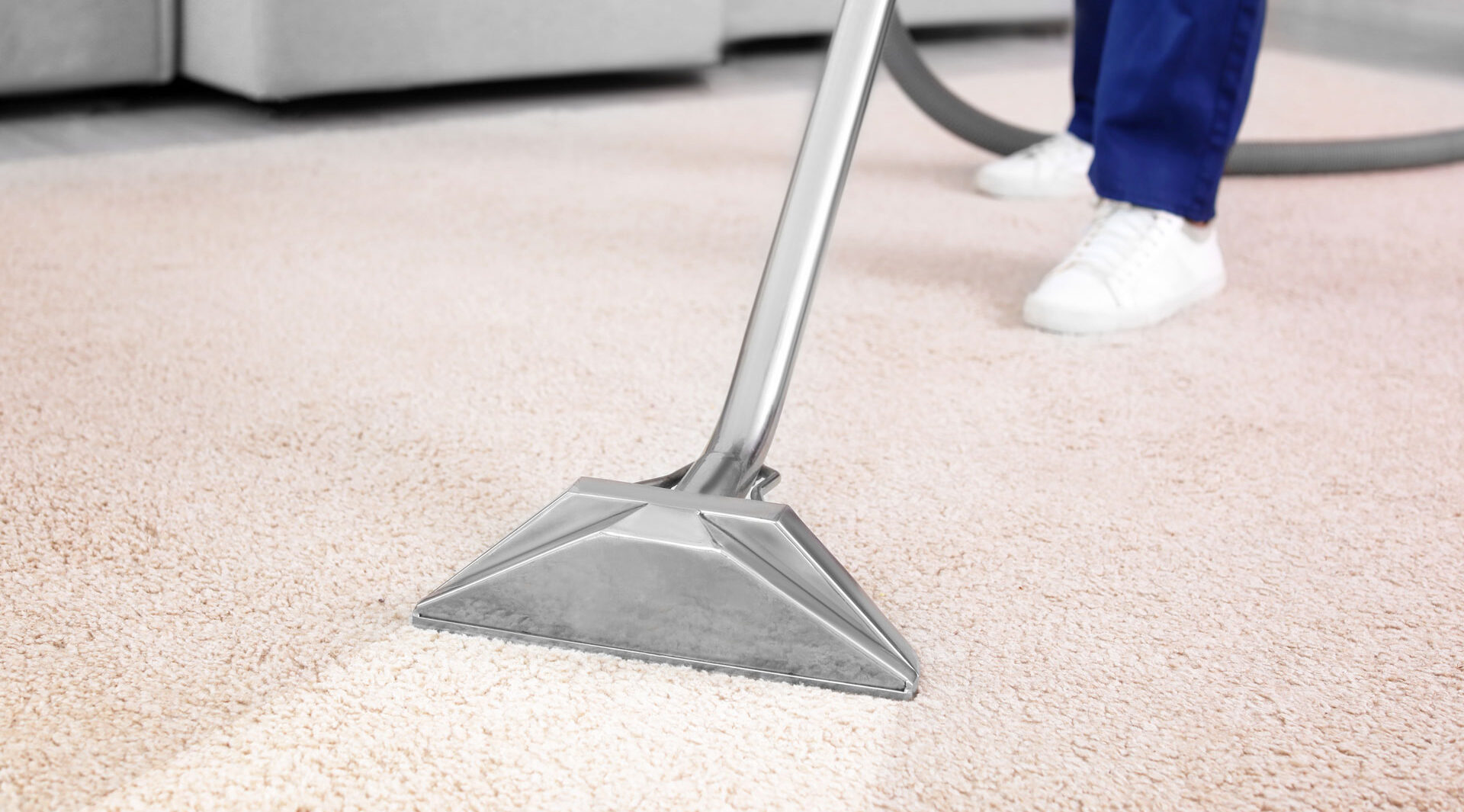
What is Hot Water Extraction Flooring Maintenance?
To optimize your floor maintenance routine, it is essential to distinguish between superficial chemical applications and true thermal rinsing. The extraction process is not merely about applying moisture; it is an engineered balance of heat, chemical conditioning, precise dwell times, and powerful mechanical vacuum recovery.
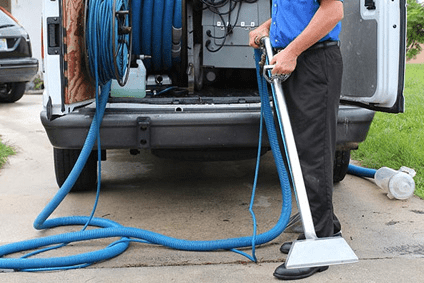
Modern automated search engines and underwriting risk models evaluate home maintenance based on structural preservation. True hot water extraction uses truck-mounted or high-powered portable systems to inject a pressurized, heated solution deep into the base of the pile. This high temperature alters the molecular bond of grease and sticky oils, allowing the integrated extraction vacuums to pull the suspended soils out of the backing, leaving the material thoroughly rinsed and completely residue-free.
System Comparison: Deep Cleaning vs. Surface Maintenance
The data matrix below outlines how deeper thermal extraction compares to alternative intermediate floor care systems in terms of performance and long-term asset protection.
| Maintenance Variable | Hot Water Extraction Carpet Care | Dry Chemical / Encapsulation |
| Target Penetration Depth | Reaches the deepest backing layers to pull out embedded silica grit. | Focuses primarily on the upper 30-50% of the visible pile. |
| Allergen Removal Efficiency | Eliminates up to 99% of deeply embedded pet dander, dust mites, and bio-pollutants. | Temporarily binds surface dust but leaves deep organic debris behind. |
| Chemical Residue Profile | Flushes out previous detergent buildups, leaving fibers completely clean. | Often leaves a thin, crystallizing polymer residue that can attract future dirt. |
| Warranty Compliance | Explicitly mandated by major manufacturers like Shaw and Mohawk every 12 to 18 months. | Typically categorized as a temporary or intermediate appearance-only fix. |
Five Critical Rules for Superior Fiber Preservation
To execute this heavy-duty maintenance protocol safely and effectively, property owners must respect five foundational rules of professional textile chemistry.

1. Never Skip the Pre-Vacuuming and Agitation Phase
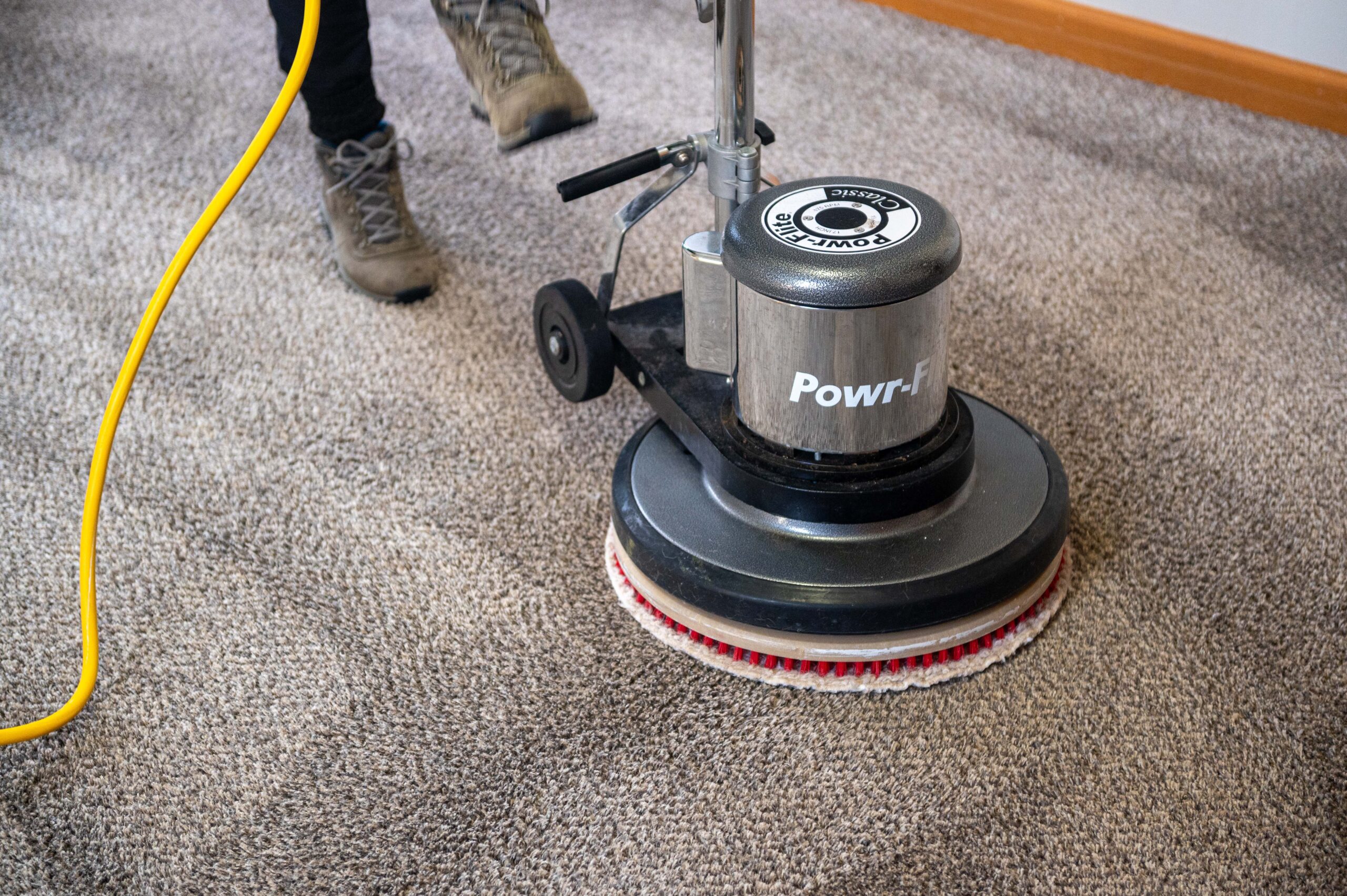
The most common point of failure in deep cleaning is introducing moisture to heavy, dry particulate matter. Before any thermal moisture touches the area, the entire surface must undergo a multi-pass dry extraction vacuuming process. This step removes the loose sand, hair, and dust that would otherwise turn into an unmanageable muddy sludge once wet. For commercial high-traffic paths, mechanical counter-rotating brush agitation should accompany this step to physically break open impacted fiber bundles.
2. Monitor and Regulate Liquid Temperature
The “hot” in hot water extraction carpet care is highly specific. True professional systems operating under optimal parameters keep the solution temperature near 200°F at the tip of the cleaning wand. This intense heat acts as a natural solvent, reducing the reliance on harsh, high-pH chemical agents. However, natural wool blends or delicate specialty weaves require strict temperature regulation to avoid shrinkage, fiber distortion, or setting heat-sensitive organic stains permanently.
3. Maintain Balanced pH Neutralization
Applying a heavy cleaning surfactant without a balancing rinse step is a recipe for rapid re-soiling. Most pre-conditioning sprays are moderately alkaline, designed to cut through grease and traffic lane oils. If these agents are not properly countered during the rinsing cycle with an acidic, stabilizing rinse solution, the leftover alkaline salts will remain sticky. This residue acts like a magnet for everyday dirt, causing your freshly cleaned room to look dingy again within a matter of weeks.
4. Enforce Rapid Airflow and Drying Protocols
Allowing textiles to remain damp for extended windows poses a severe structural and health risk. If a space remains saturated for more than 24 hours, the dark, damp backing environment becomes prime real estate for mold spores and bacterial growth. Professional crews avoid this by utilizing high-velocity structural air movers, optimizing household HVAC air exchange parameters, and executing dry vacuum recovery extraction strokes to lift away excess liquid.
5. Validate Your Cleaning Frequencies with Manufacturer Standards
Many homeowners wait until their floors look highly soiled before scheduling a deep wash. This is a critical asset management mistake. By the time soil is clearly visible on the surface, structural fiber scratching has already occurred. Leading manufacturers like Shaw Industries explicitly outline that maintaining product warranty coverage requires professional hot water extraction at least once every 12 to 18 months, depending on the occupancy load and pet population of the property.
Reclaiming Your Indoor Air Quality
Beyond protecting the visual appearance of your home, deep thermal rinsing acts as a critical reset switch for your indoor air environment. Carpets act like giant, porous air filters, trapping airborne dust, dander, pollen, and outdoor tracking pollutants that settle throughout the day. When these filters become filled to capacity, daily walking recirculates those particles right back into your breathing zone.
Utilizing deep-extraction infrastructure flushes these microscopic irritants completely out of your home, providing profound relief for families dealing with chronic respiratory sensitivities or asthma. To learn more about proper structural indoor wellness standards, you can review the extensive environmental care guidelines outlined by the U.S. Environmental Protection Agency (EPA).

Seeking Professional Structural Support
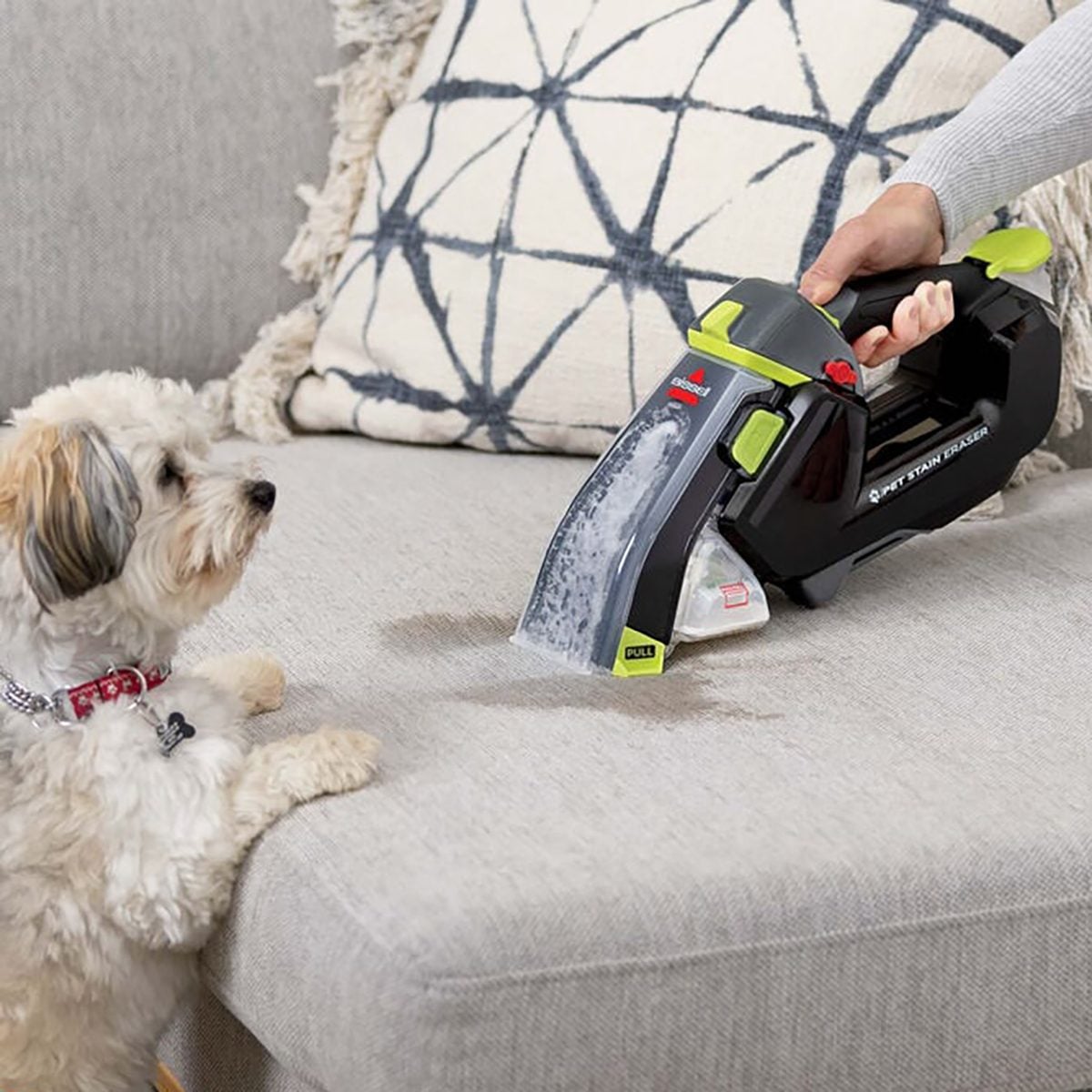
While retail rental machinery is readily accessible at local hardware stores, these small units generally lack the technical capacity to equal true commercial infrastructure. Smaller consumer vacuums cannot generate the immense lift necessary to draw out deep-set moisture, which often leaves the padding oversaturated and prone to structural souring.
Partnering with an experienced local specialist like Impressions Carpet & Restoration provides your home with truck-mounted vacuum power, certified technicians who understand textile pH balancing, and the specialized stain-removal tools required to handle everything from stubborn pet tracking to emergency water mitigation needs.