How to Remove Carpet Odors: The Complete Guide to Fresh, Clean Floors
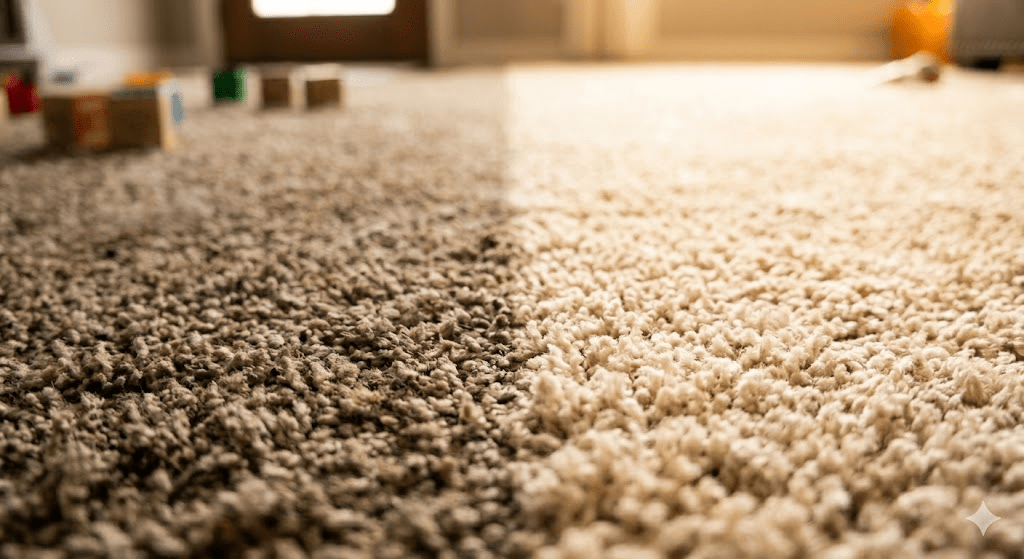
Indoor carpeting acts as an enormous air filter for your home. It traps ambient dust, absorbs airborne volatile compounds, and gathers everyday spills. Over time, that absorbent nature turns against you. Microscopic organic matter, moisture, and pet accidents work down into the carpet pile, leading to lingering, unpleasant smells that regular vacuuming cannot fix. Knowing how to remove carpet odors requires looking past temporary surface deodorizers and addressing the underlying chemical and biological causes trapped in your floor coverings.
Whether dealing with stubborn pet accidents, persistent mustiness after humid weather, or stale smoke residue, removing smells permanently demands matching the correct cleaning method to the source. This comprehensive guide outlines the science of trapped smells, provides actionable home remediation steps, and explains when deep professional extraction becomes necessary.
Why Carpet Odors Linger: The Science of Fiber Traps
To treat unpleasant smells effectively, you must understand how carpeting retains odor molecules. A carpet installation is not just a single layer of fabric. It is a multi-tier system consisting of face fibers, primary backing, a latex bonding layer, secondary backing, and open-cell foam padding beneath it all.
The Sponge Effect in Carpet Padding
When liquids saturate the surface, gravity pulls them down through the backing and into the cushion underneath. The cushion contains thousands of tiny air pockets. As the liquid dries, moisture evaporates, leaving behind concentrated chemical residues and organic solids. Whenever relative humidity rises, those trapped residues reactivate, releasing stale odors back into the room.
How Different Fibers React
Synthetic fibers like polyester and olefin resist water-based stains naturally, but they hold onto oil-based residues and body soils. Nylon is durable and handles professional hot water extraction well, but its porous structure absorbs liquids if stain-resist coatings have worn away. Natural fibers like wool require pH-balanced cleaning agents; using strong alkaline or acidic chemicals can permanently damage the animal protein fibers.
Identifying the Source of the Smell
Before applying any deodorizer, you need to pinpoint the exact origin and type of smell. Treating pet urine with general vinegar solutions, for example, often fails because it cannot break down uric acid salts.
1. Pet Accidents (Ammonia and Musky Odors)
Fresh pet urine starts out acidic. As bacteria consume the urea, the deposit degrades into alkaline ammonia and forms insoluble uric acid salt crystals. These crystals bond tightly to fibers and padding. In dry conditions, the smell may seem faint, but humid summer days will trigger a strong return of the odor.
2. Mold and Mildew (Earthy, Musty Scents)
If a room smells damp or stale, elevated indoor moisture or slow drying after an earlier spill is usually the culprit. Fungi and bacteria produce microbial volatile organic compounds (mVOCs) as they digest organic dust inside moist padding.
3. Tobacco Smoke and Cooking Oils
Smoke particles and aerosolized kitchen oils settle onto carpets as a fine, tacky film. These oils coat individual yarn strands, gradually oxidizing and creating a persistent background odor throughout the house.
Step-by-Step Guide: How to Remove Carpet Odors at Home
For isolated spills and mild surface smells, safe household ingredients and targeted cleaners can neutralize odor compounds without damaging your flooring.
Method 1: The Baking Soda Neutralization Technique
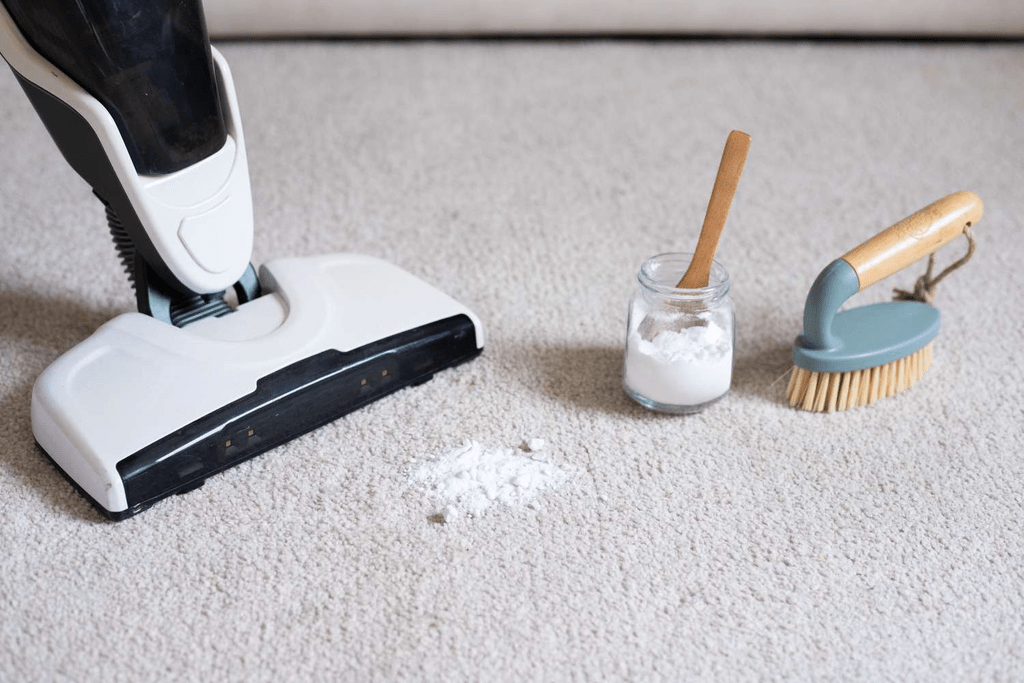
Baking soda (sodium bicarbonate) is a mild amphoteric compound, meaning it neutralizes both strong acidic and alkaline odor molecules. It works best on general stale odors, light pet scents, and food smells.
- Thorough Dry Vacuuming: Vacuum the carpet slowly using a machine with strong suction and a clean brush roll to remove dry dust and hair.
- Generous Application: Sprinkle baking soda evenly across the dry carpet. For heavy traffic lanes, brush the powder lightly into the top fibers using a clean, dry broom.
- Allow Dwell Time: Let the baking soda sit for at least two to four hours. For persistent smells, leaving it down overnight yields better results.
- Final Extraction: Vacuum the room slowly. Empty the vacuum canister or bag afterward to maintain good airflow and prevent motor strain from fine powder.
Method 2: The Diluted White Vinegar Rinse
White distilled vinegar contains about 5% acetic acid, making it useful for neutralizing alkaline residues, hard water minerals, and everyday food spills.
- Mix the Solution: Combine one part white distilled vinegar with three parts warm water in a clean spray bottle.
- Lightly Mist the Area: Mist the mixture lightly over the affected carpet. Avoid soaking the carpet; excess moisture can reach the subfloor and create new issues.
- Blot Firmly: Press clean, dry terry cloth towels onto the damp fibers to pull out moisture and dirt. Never scrub back and forth, as scrubbing frays yarn tips and pushes contaminants deeper into the backing.
- Air Out the Room: Open windows or run a box fan. The vinegar smell will be noticeable at first, but it dissipates within a few hours, taking underlying odors with it.
Tackling Severe Problems: Pet Urine and Biological Waste
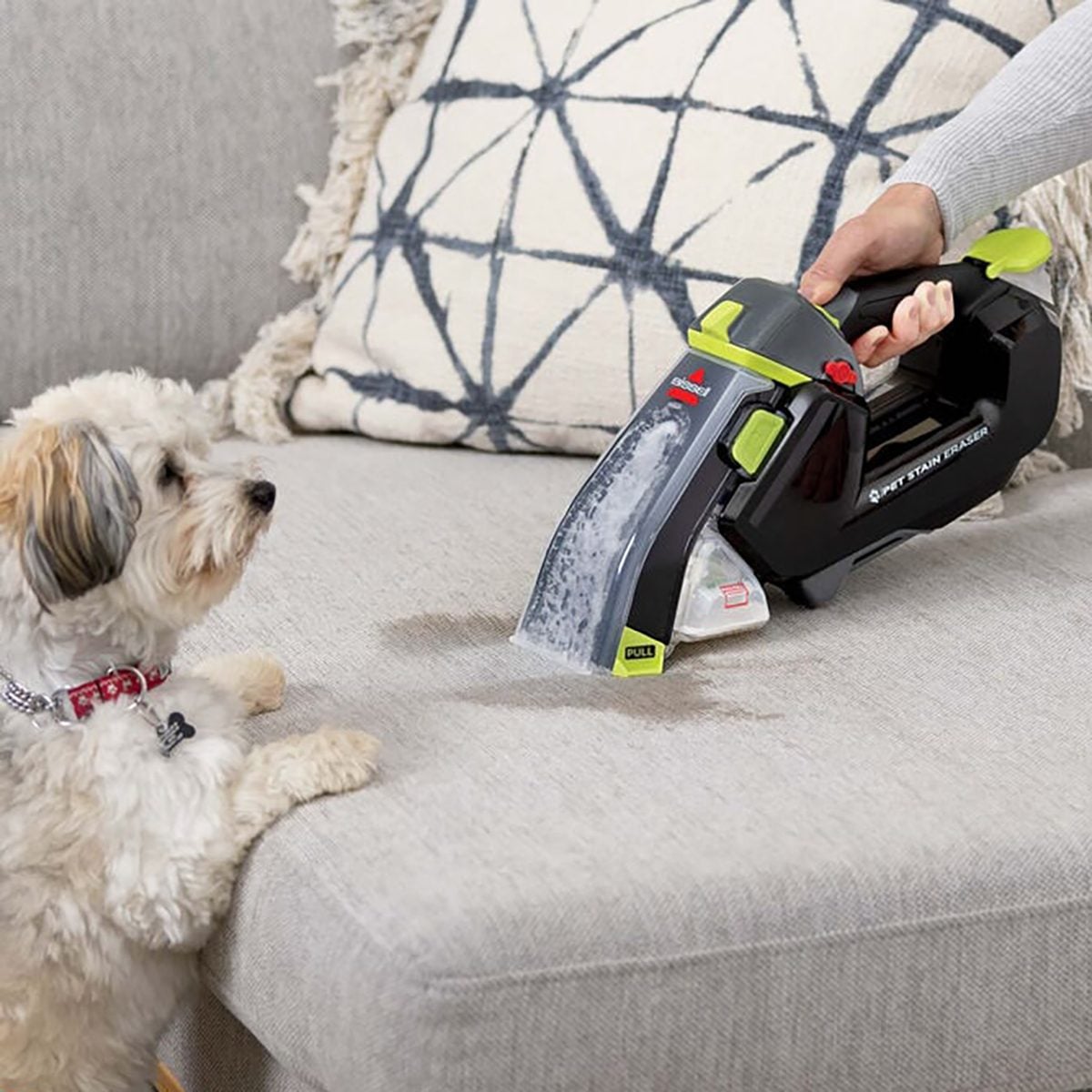
Standard home remedies rarely eliminate concentrated biological waste. Understanding how to remove carpet odors from dog or cat accidents requires using specialized bio-enzymatic cleaners.
Using Bio-Enzymatic Solutions Correctly
Enzyme treatments contain live, beneficial bacterial cultures that produce enzymes targeting specific proteins, fats, and uric crystals.
- Locate the Problem Area: Use an inexpensive ultraviolet (UV) blacklight in a dark room. Dried urine deposits fluoresce dull yellow or green, revealing the true boundaries of the spot.
- Saturate to Match the Accident: The enzyme solution must reach every layer the original liquid touched. Pour enough cleaner to reach the underlying padding.
- Maintain Dwell Time: Cover the treated spot with a damp, clean towel and let it sit undisturbed for 12 to 24 hours. The enzymes remain active only while damp.
- Extract the Liquid: Place dry white towels over the spot, weight them down with a heavy, non-staining object, and allow them to pull out the remaining moisture.
Avoiding Common DIY Mistakes
Well-meaning cleaning attempts often make underlying odor issues worse. Avoid these common mistakes:
- Over-Wetting the Carpet: Soaking carpet without immediate high-powered water extraction leads to browning, adhesive breakdown, and mold growth.
- Using Ammonia-Based Products: Pet urine contains ammonia. Using ammonia-based household cleaners reinforces the scent, encouraging pets to mark the same spot again.
- Scrubbing Roughly: Aggressive scrubbing causes pile blooming, permanently untwisting carpet tufts and leaving behind a worn, fuzzy patch.
- Masking with Heavy Perfumes: Fragrant carpet powders and aerosol sprays simply cover up offensive odors with artificial perfumes, often creating an unpleasant mixed scent.
When to Call a Professional Floorcare Service
Household spot treatments work well for surface stains, but deeply rooted odors often require professional remediation equipment.
Commercial technicians use specialized tools and processes to eliminate persistent odors:
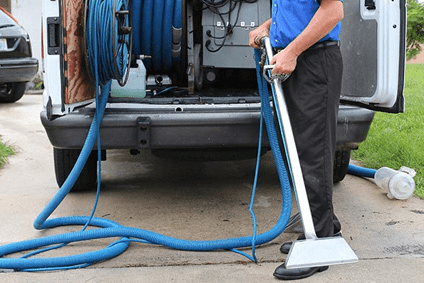
- Sub-Surface Extraction Tools: Devices like extraction claws pull liquid out of the foam pad without tearing up the carpet.
- Truck-Mounted Hot Water Units: These machines maintain water temperatures above 200°F with powerful vacuum lift, sanitizing fibers and rinsing out detergent films that attract dirt.
- Oxidizers and Gas Treatments: For smoke damage or whole-house contamination, technicians use professional hydroxyl machines or controlled ozone treatments to break down odor molecules at a molecular level.
For deep moisture issues, stubborn pet damage, or seasonal whole-home cleanings, schedule an evaluation with the experienced technicians at impressionscarpetcleaning.com to restore your flooring safely.
The Role of Indoor Air Quality and Mold Prevention
Persistent carpet odors are often tied directly to broader home ventilation and humidity conditions. Damp indoor environments allow musty smells to build up quickly in heavy floor fabrics.
The EPA Guide to Indoor Air Quality and Mold stresses that maintaining indoor relative humidity below 50% is essential for preventing mold spores from growing on household surfaces, including carpets. Combining routine vacuuming with a whole-home dehumidifier or well-maintained air conditioning system keeps face fibers dry and discourages bacterial growth.

Proactive Carpet Odor Maintenance Schedule
Consistent, simple maintenance keeps your carpets smelling clean and extends the functional life of your flooring:
- Weekly: Vacuum high-traffic areas at least twice a week using a vacuum equipped with a certified HEPA filter. This captures fine dander and dust before it settles into the backing.
- Monthly: Walk through the home with a portable blacklight if you own pets. Spot-treat any fresh deposits before the liquid dries into stubborn crystals.
- Quarterly: Wash or air out area rugs, floor mats, and fabric pet beds that sit directly on top of installed carpeting.
- Annually: Schedule a professional deep steam extraction. Routine extraction cleans out embedded micro-particulates, eliminates sticky traffic lanes, and keeps your living spaces fresh.
Enjoy Clean, Odor-Free Living Spaces
Learning how to remove carpet odors comes down to understanding what is trapped in your carpet and using the right method to neutralize it. By pairing simple home cleaning techniques with enzymatic treatments for biological stains, you can eliminate tough smells at the source.
For widespread pet damage, persistent water smells, or old smoke odors, relying on professional extraction and deep cleaning tools saves time and protects your carpet investment for years to come.